Kate Winters: Portra 800, Party Boats, and Finding Quiet
Episode overview
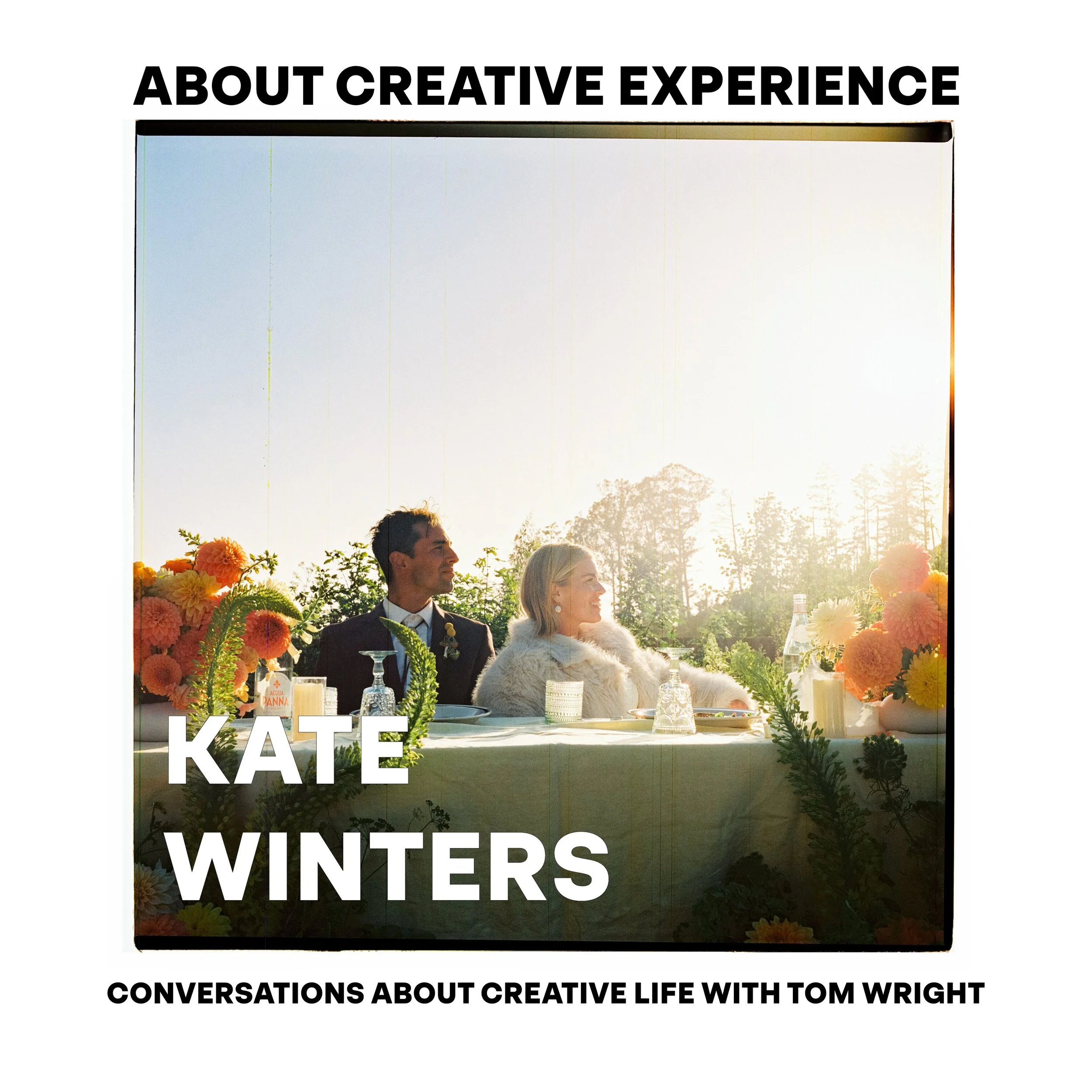
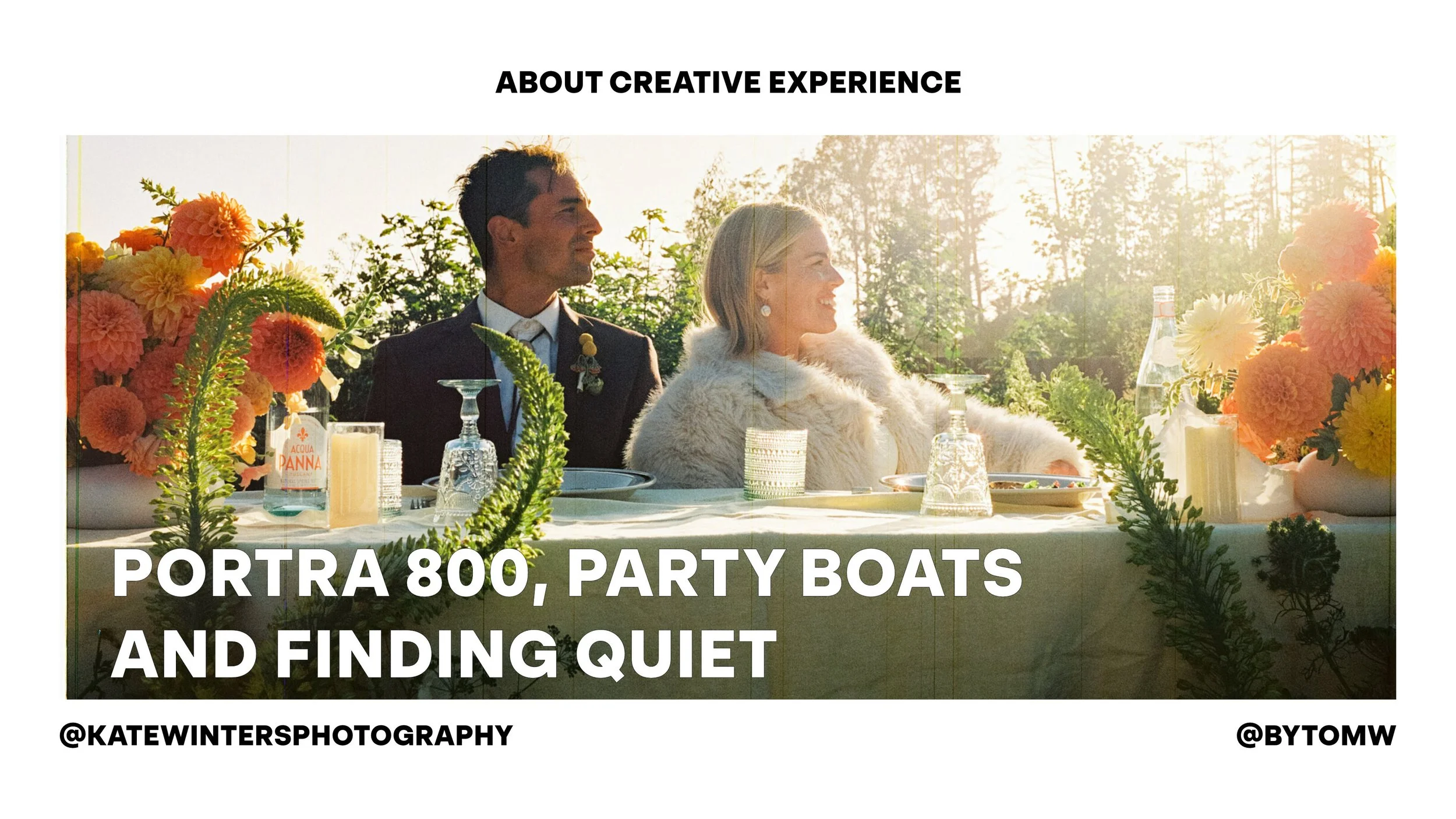
In this episode I talk with Kate Winters, a wedding photographer working between Hawaii, California, and the UK. Her work is quiet, color-rich, and shot almost entirely on film. It feels calm and observed, yet it never takes itself too seriously. There's always a bit of play in it.
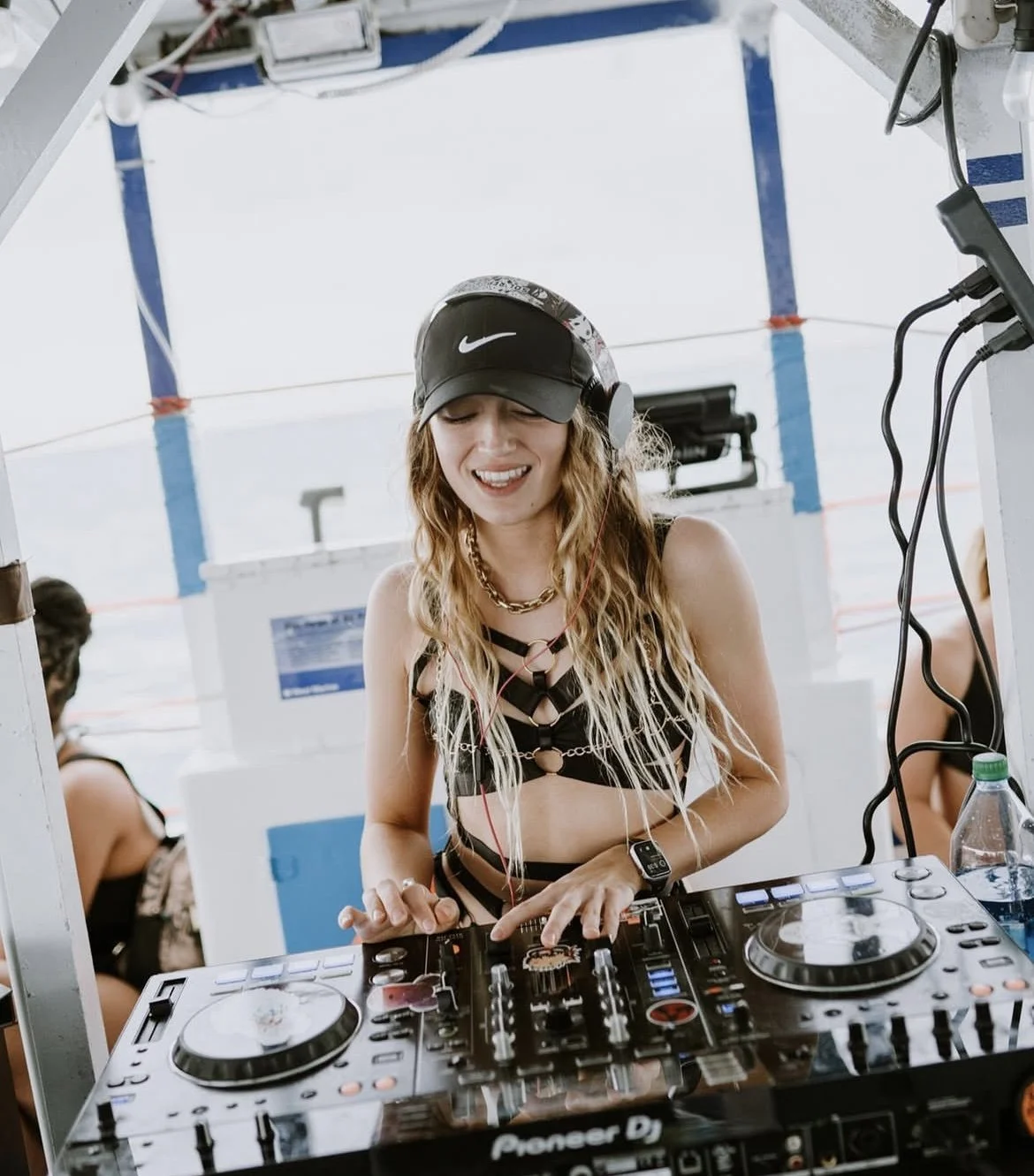
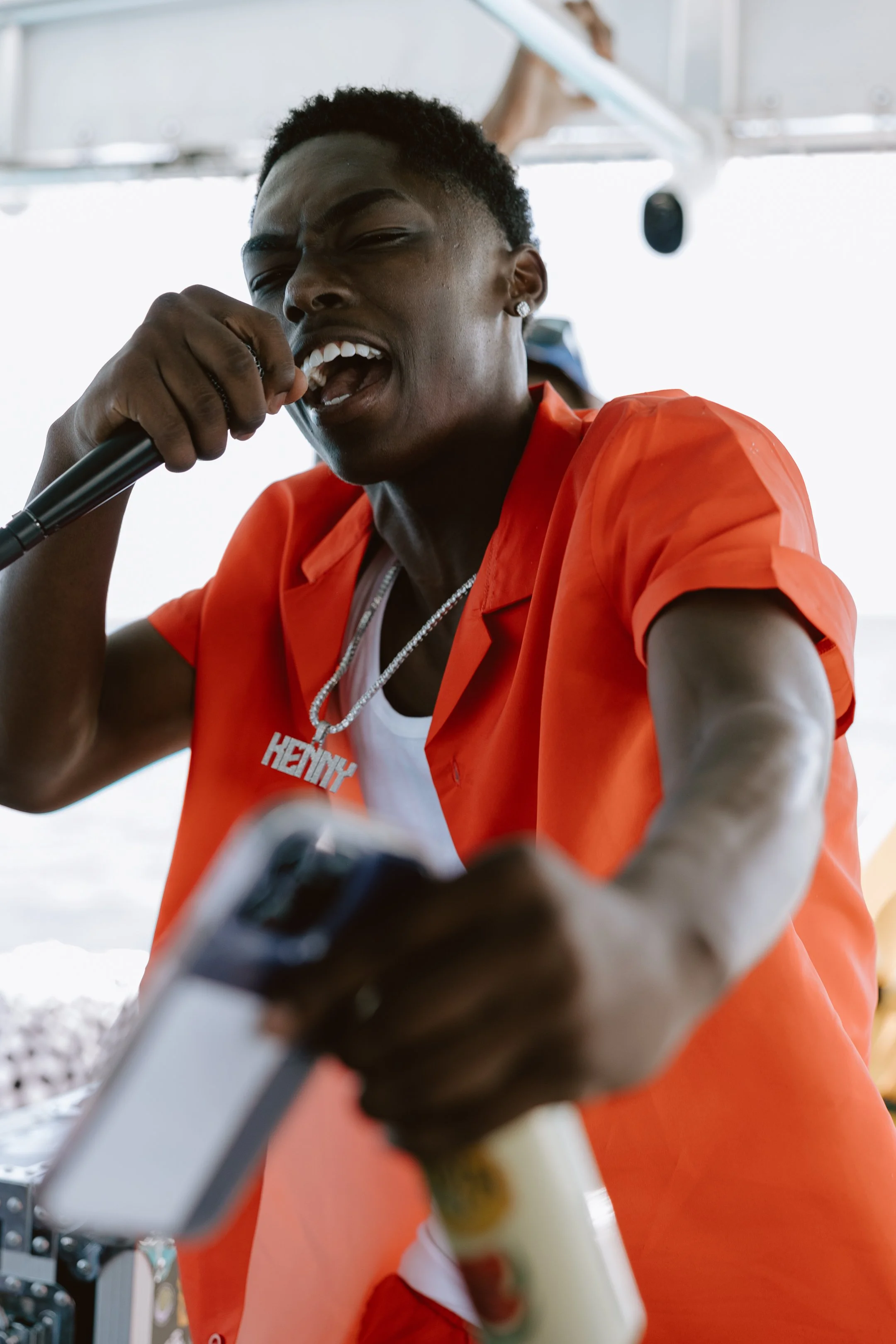
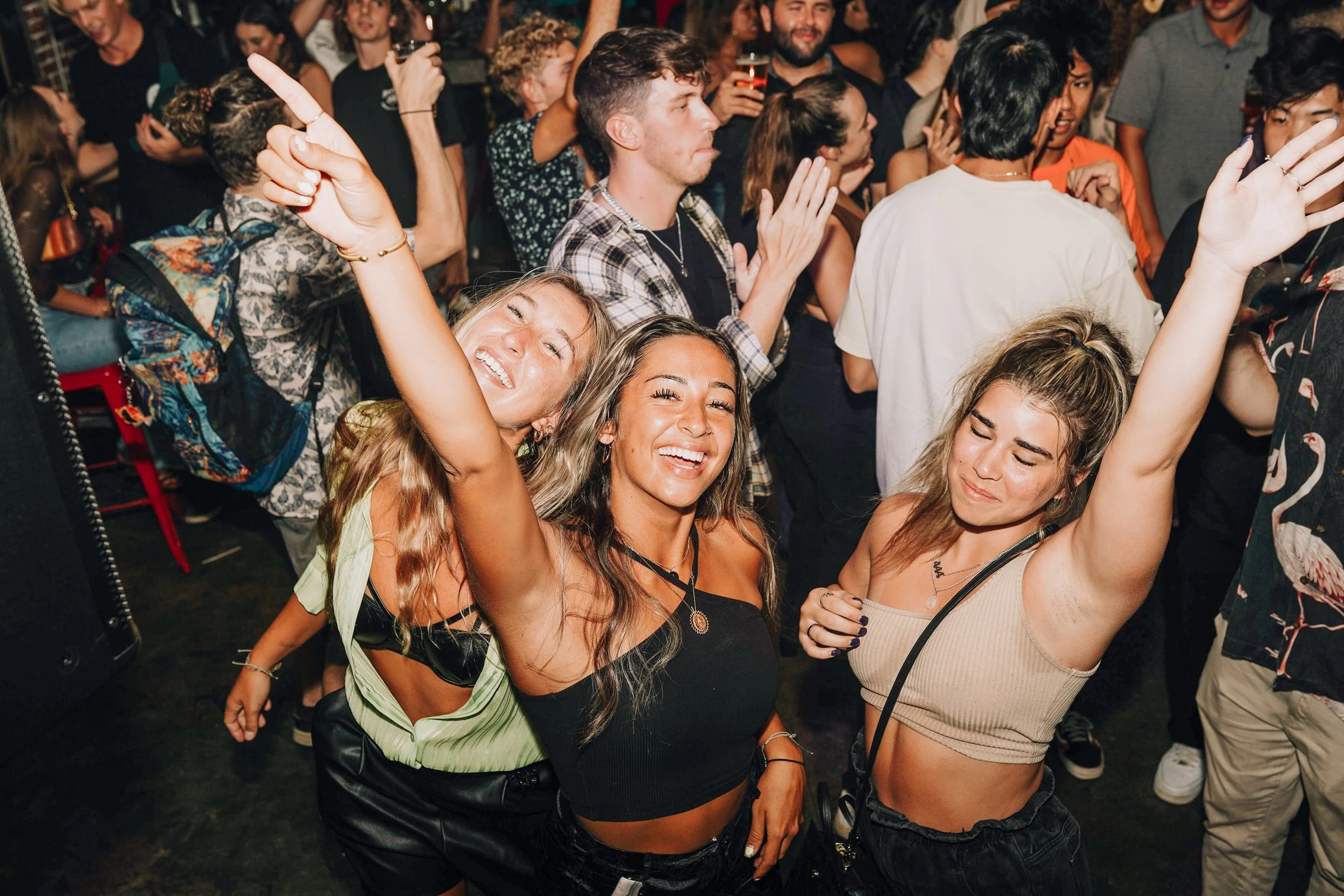
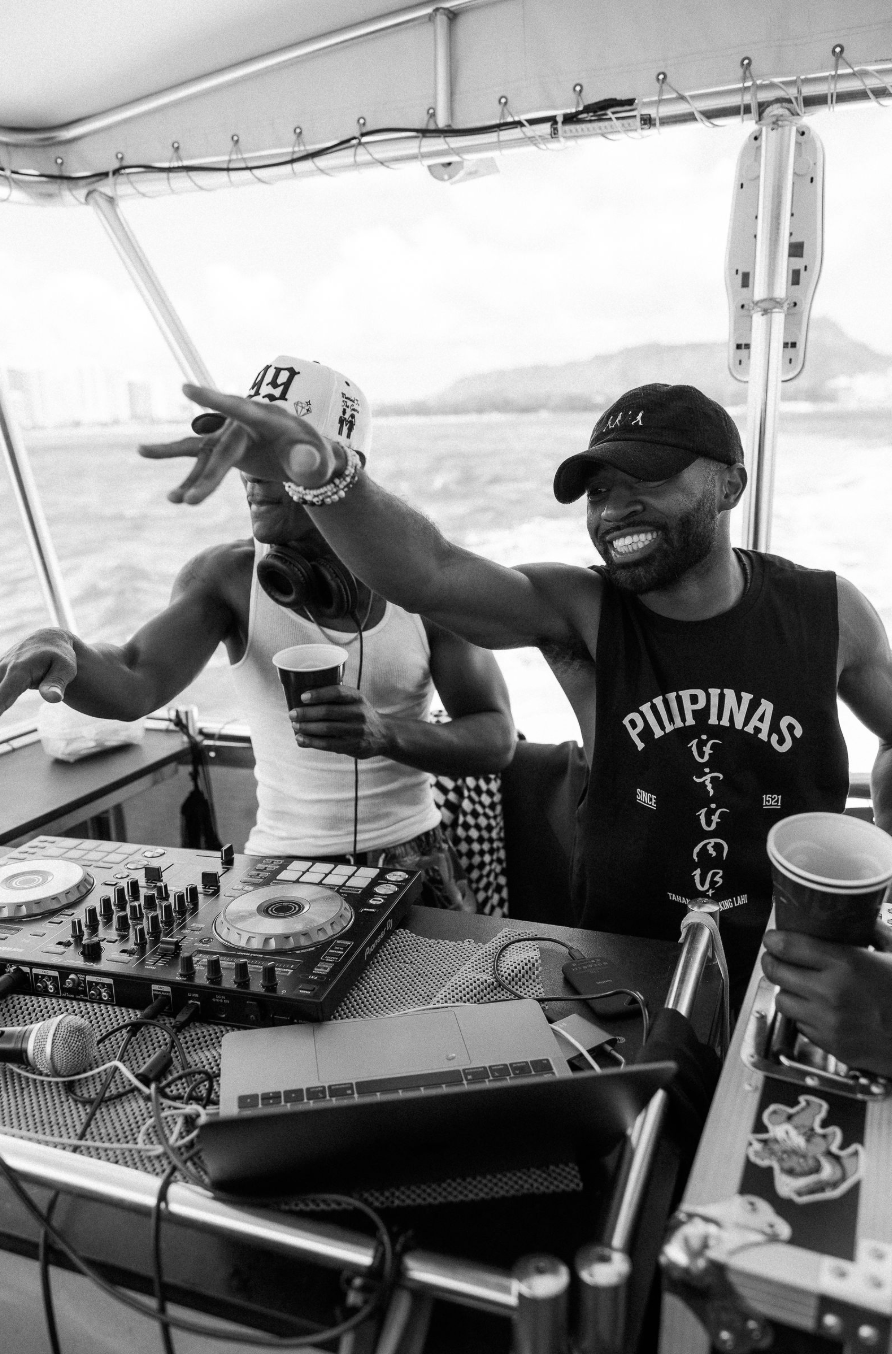
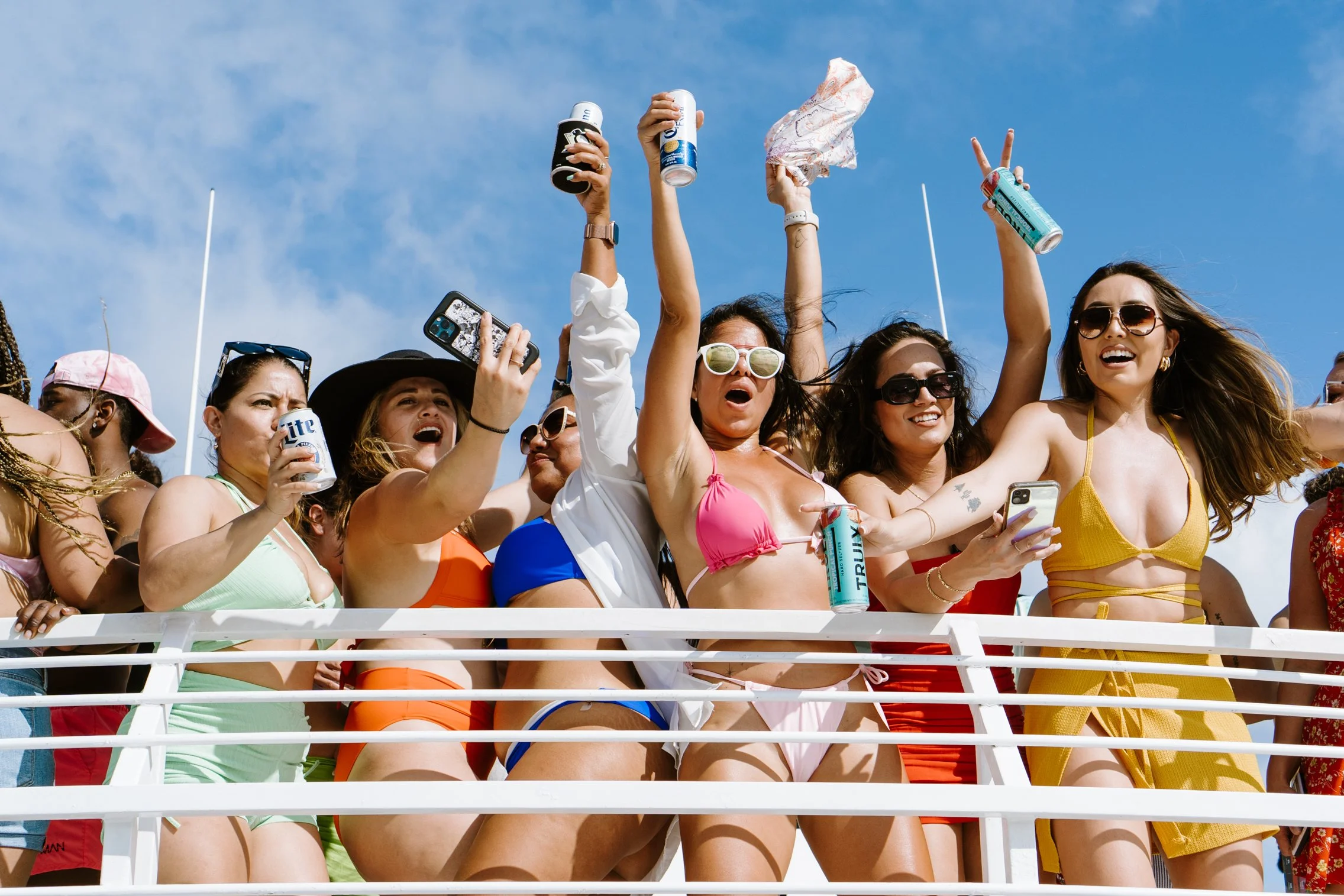
What makes that interesting is where Kate came from. She cut her teeth shooting party boats and nightlife in Honolulu, hyping up crowds at 10 p.m. The move from loud rooms to still, unplanned moments wasn't an accident. It came from knowing exactly what she wanted her work to look like, and holding firm on what she didn't.
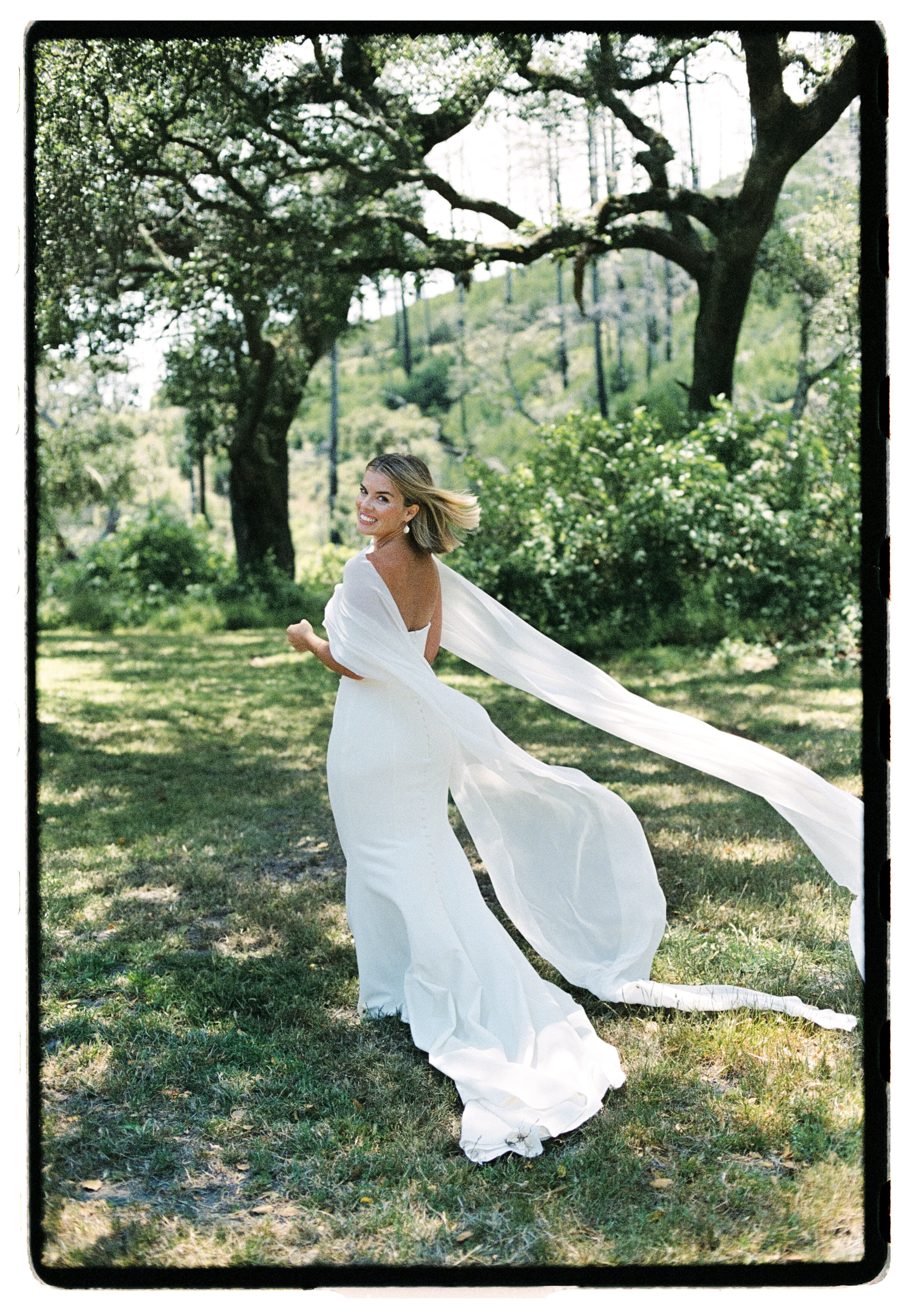
Image Credit - Kate Winters Photography
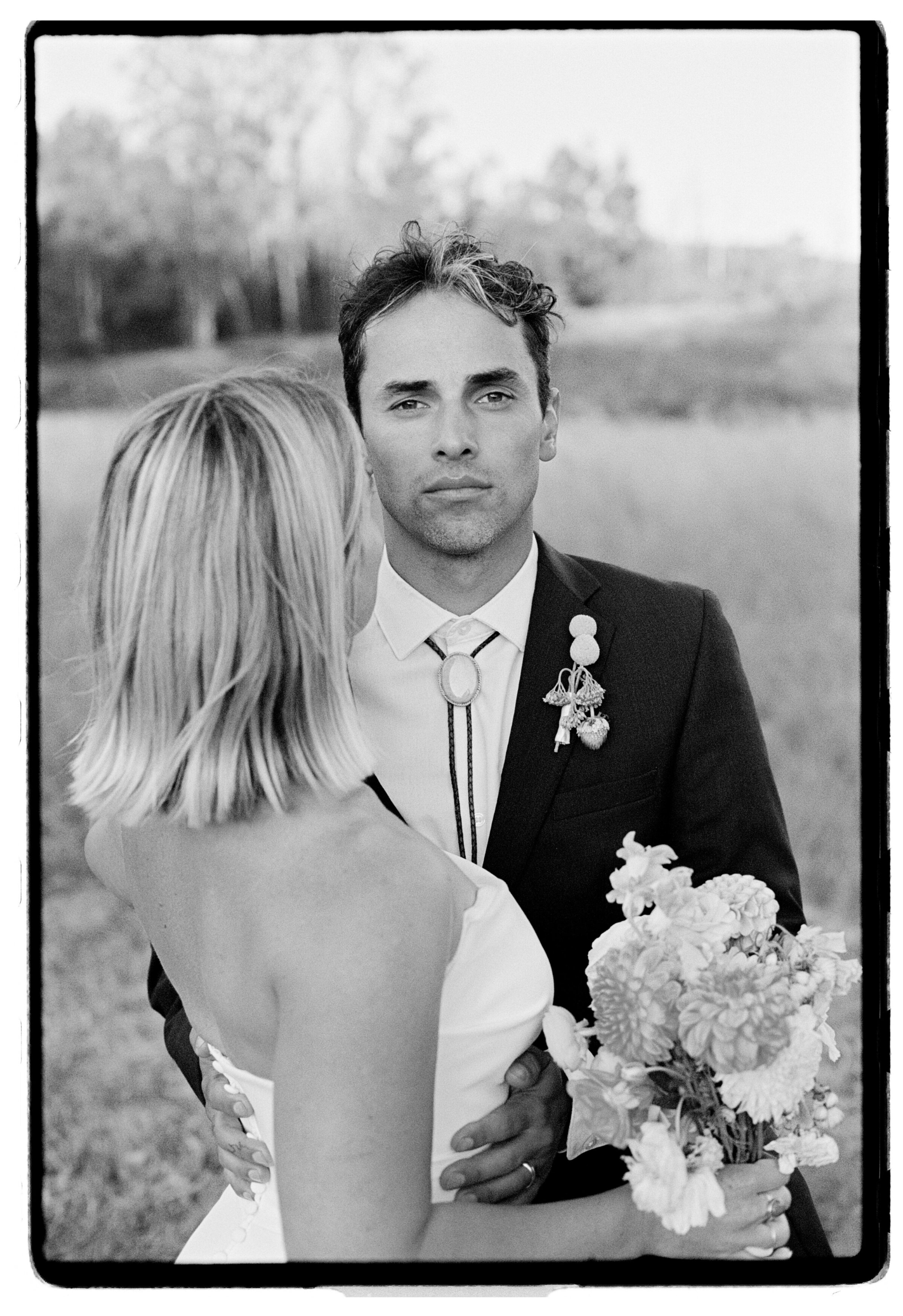
Image Credit - Kate Winters Photography
We spend most of this conversation on the nerdy stuff. Kate's setup is almost aggressively simple: a Yashica Mat-124G, two Canon Elan 7 bodies, Portra 800 at box speed, and in-camera metering. Every roll goes from the US to Carmencita Film Lab in Barcelona. She tested nearly every major lab in the States before landing there, and she's clear that the cost is a business decision, not an indulgence. If your portfolio depends on a lab's scans, you can't sell that look without them.
We also get into why there's no secret sauce, why the Contax G2 is a beautiful liability, and what to check when your film comes back looking wrong. Hint: it isn't always you.
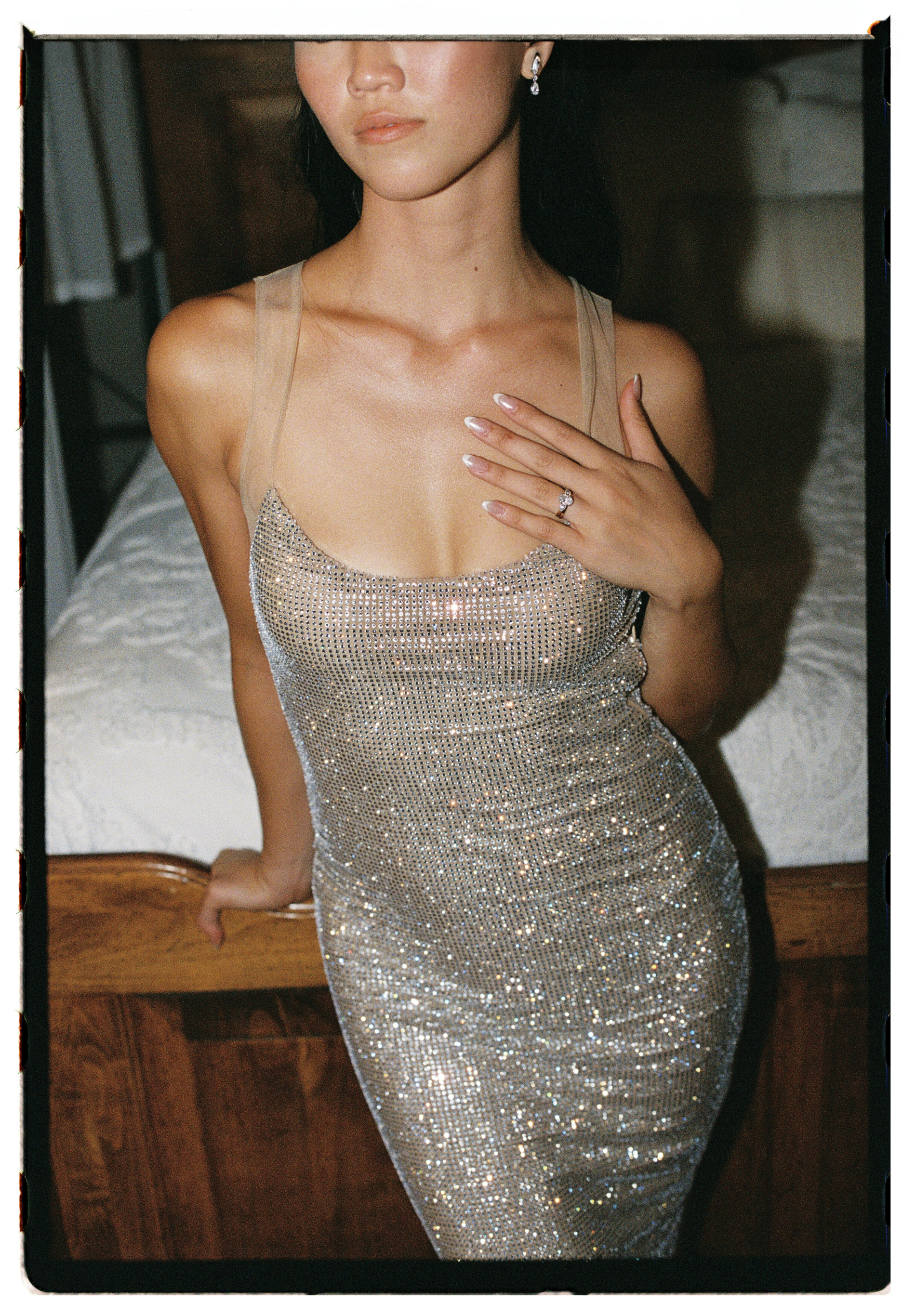
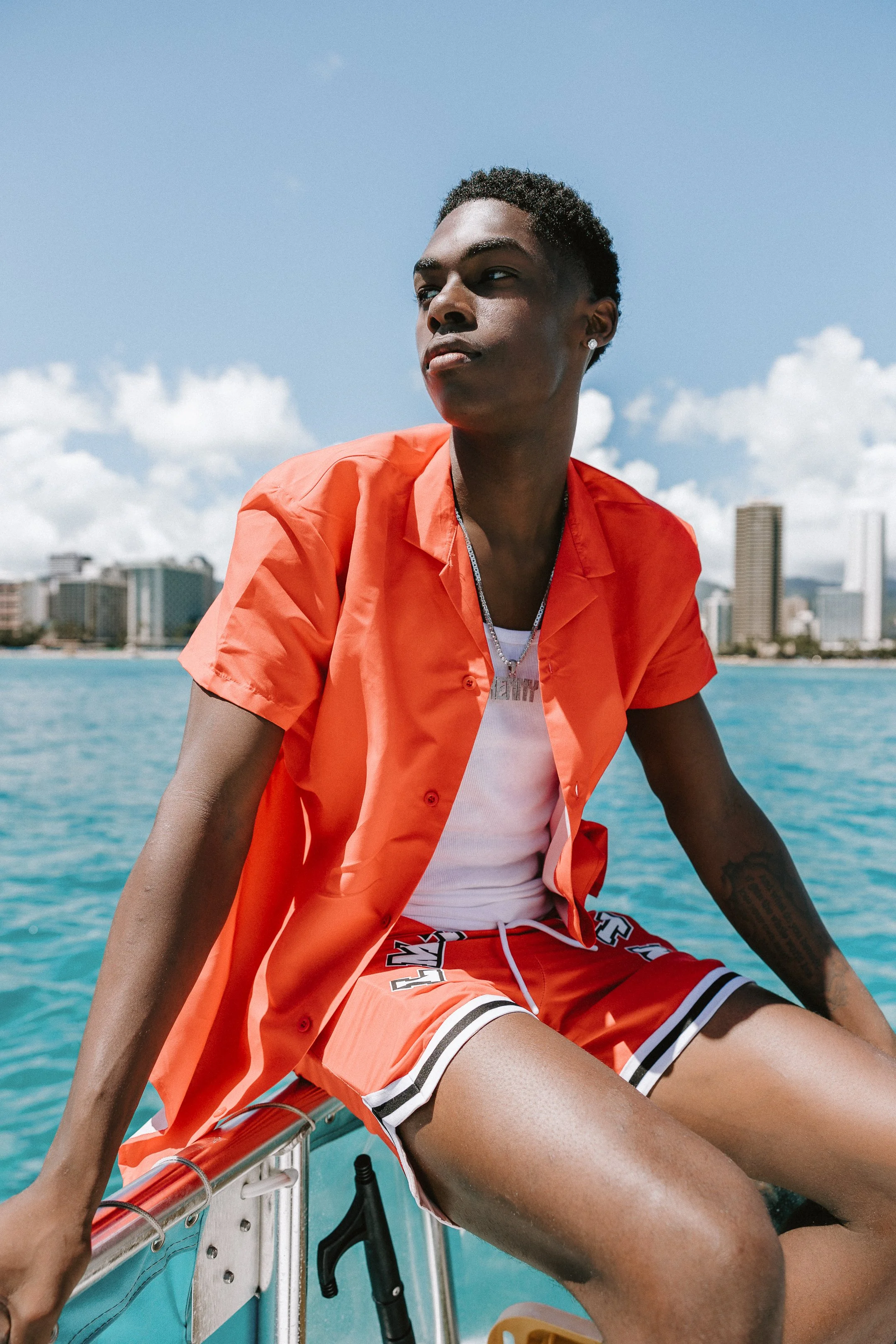
Image Credit - Kate Winters Photography
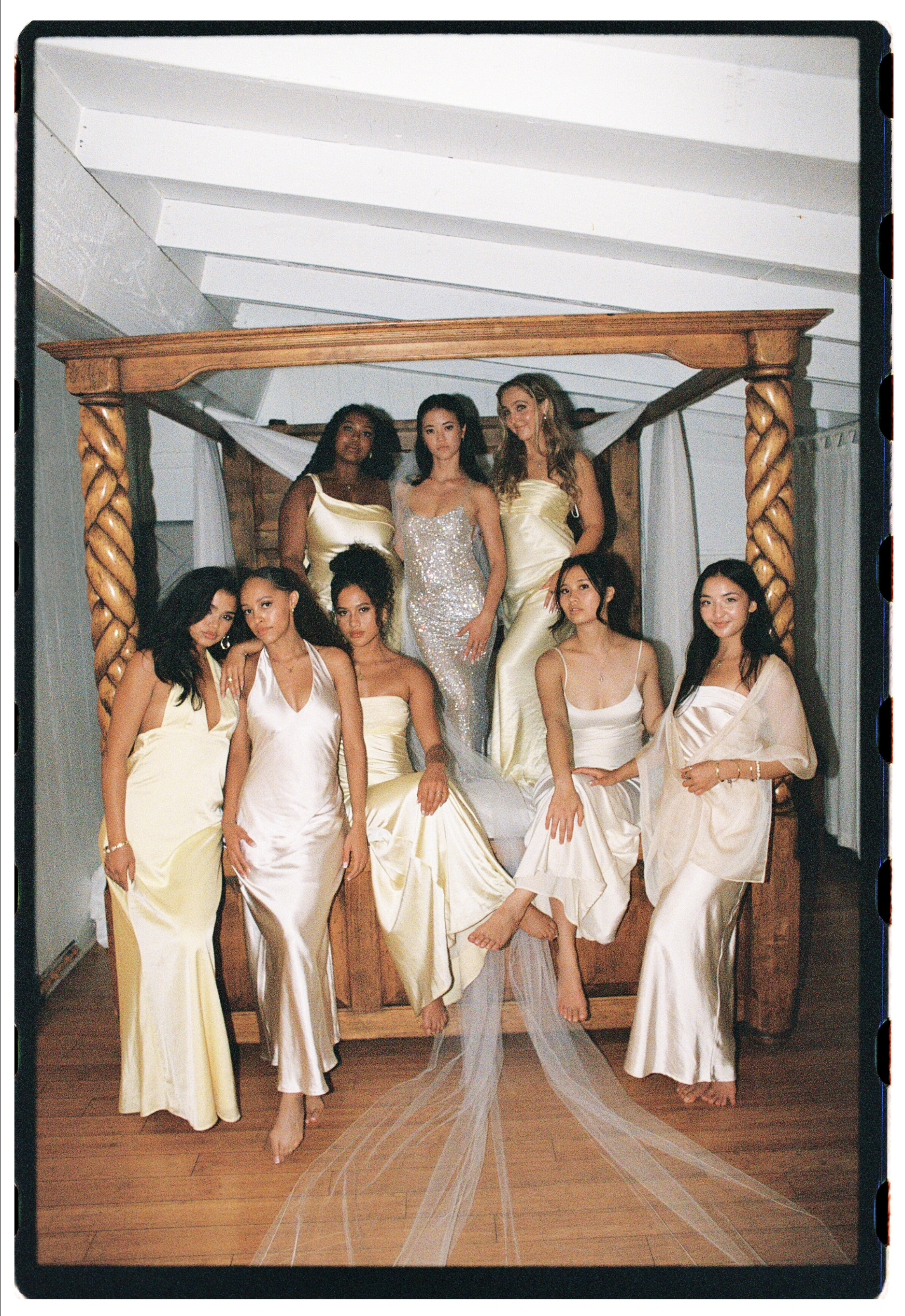
Image Credit - Kate Winters Photography
Topics covered
From party boats to weddings: how nightlife work built Kate's people skills
Second shooting as a creative space, and how others fall into the trap of shooting someone else's way
Finding quiet in loud places: why Kate stopped directing and started observing
Setting hard boundaries on taste, and walking away from desaturated edits toward bright, punchy color
Film in the US versus the UK: Frontier black borders, Noritsu softness, and moving past pushed Portra 400
Why feeling beats polish, and why taste matters more than ever in the age of AI
The kit: Yashica Mat-124G, Canon Elan 7 with a 28mm and 50mm, and why she left the Holga behind
Why the Contax G2 is a gamble, and why the Elan 7 and Nikon F100 are analog's best bargains
Twin lens reflex cameras and proof that preference is real
Choosing a lab: why Kate ships every roll to Carmencita Film Lab
Portra 800 at box speed in full sun, in-camera metering, and CineStill 800T for flash-free nights
Portra 800 today and Ektacolor 800 going forward
Shooting color negative and converting to black and white in post, and the legacy of Kodak BW400CN
Why self-developing is rarely a good idea for working photographers
When film comes back wrong: the lab is a variable too
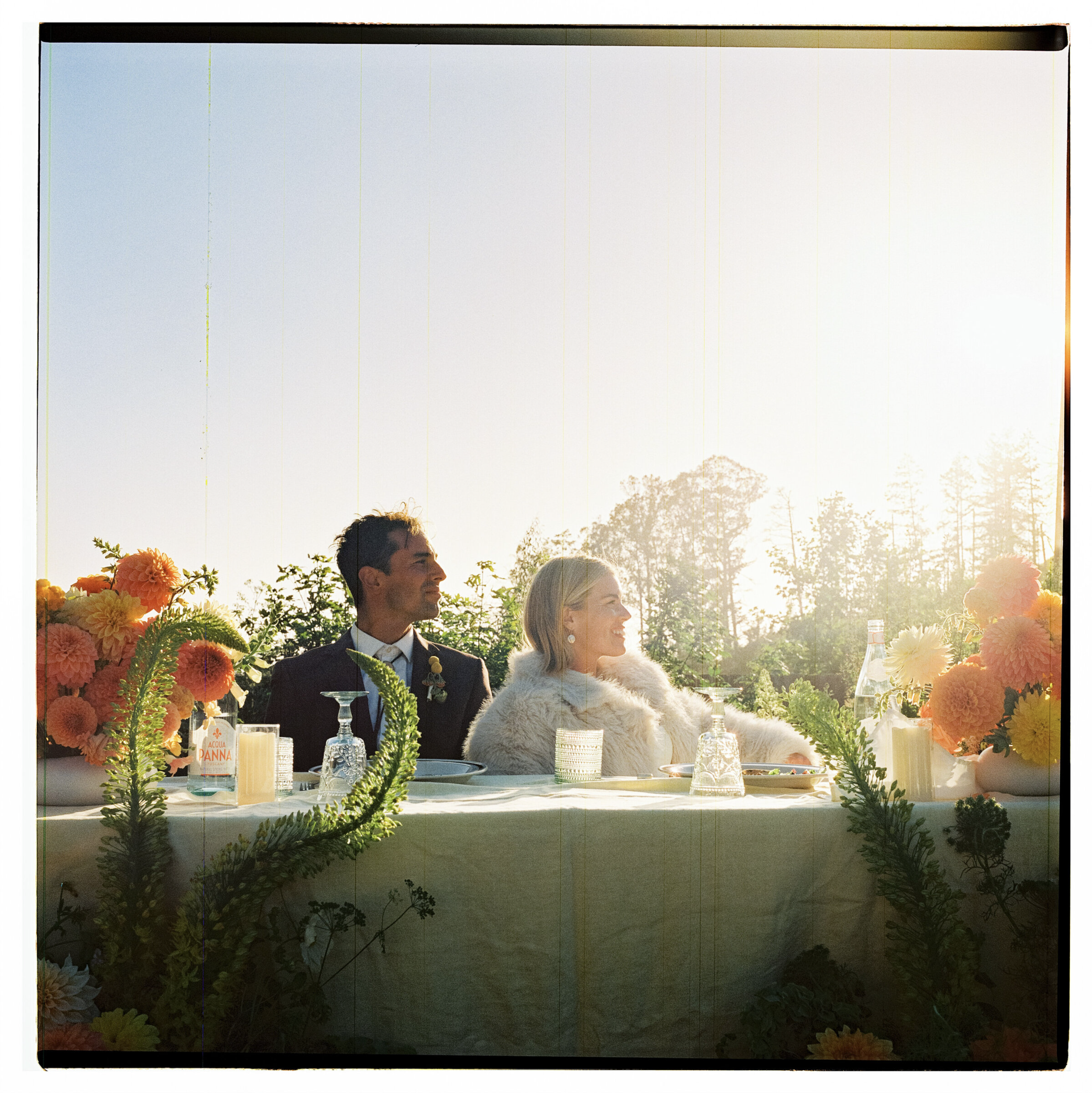
Image Credit - Kate Winters Photography
Key takeaways
Your visual identity matures fastest when you're clear on what you don't want.
Second shooting only stifles your voice if you let it. Use the lower pressure to experiment.
Quiet work doesn't have to be serious work. Stillness and play can live in the same frame.
Keep the system small: one stock, one lab, a few lenses. Consistency takes pressure off you and gives your clients certainty.
Your lab is part of your product. If you can't reliably deliver the look in your portfolio, you can't sell it.
There's no secret technique. Good gear, a stock you love, correct exposure, and a great lab will carry you further than any trick.
When your film disappoints, don't only blame yourself. Check the lab.
Expensive cameras aren't better cameras. A $150 lens on an Elan 7 holds its own.
In a world where anything can be made to look like anything, taste is the only real differentiator.
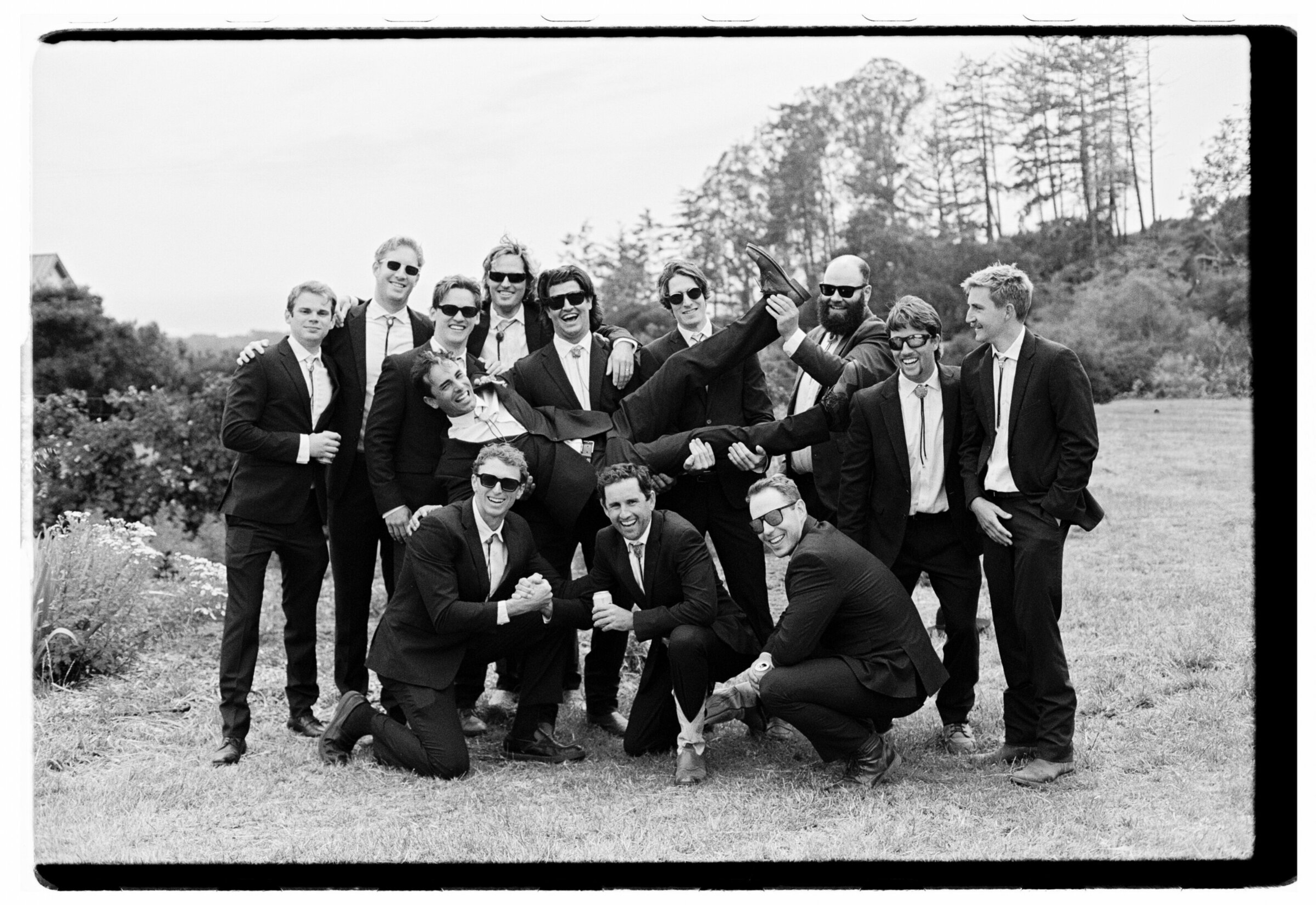
Image Credit - Kate Winters Photography
Bonus: Party Boat